
Cassette Electric Fires vs Inset Electric Fires: Which Is Right for Your Home?

Electric fires have come a long way. Modern models can create an incredibly realistic flame effect, offer flexible heating options and, importantly, look beautifully at home in contemporary interiors. But if you’re choosing an electric fire, you may come across two terms that can be confusing: cassette electric fires and inset electric fires. While both can create a sleek, built-in appearance, the way they are installed and the overall look they create can be quite different.
So, which is best for your home?
In this guide, we explain the differences between cassette and inset electric fires, what you need to consider when choosing between them, and which style could work best with your fireplace design.
What is a cassette electric fire?
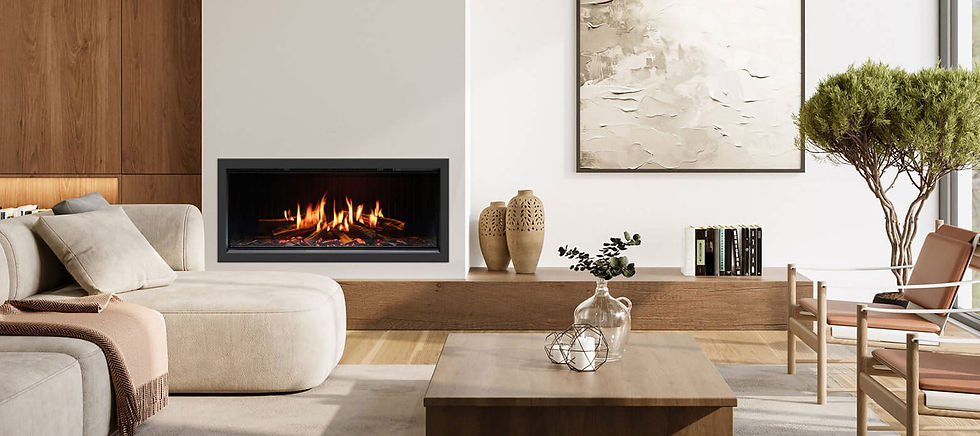
A cassette electric fire is designed to be installed into a wall, media wall, fireplace surround or bespoke feature. The fire is essentially recessed into the surrounding structure, creating a clean, contemporary appearance. The term "cassette" is commonly associated with electric fires that have a relatively shallow installation depth, making them particularly useful for modern interior projects where space behind the wall is limited. Rather than looking like a traditional fireplace with a separate surround and hearth, a cassette fire can become part of the architecture of the room.
This makes them especially popular for:
Media walls
Contemporary living rooms
Bespoke fireplace designs
Feature walls
Minimalist interiors
Open-plan living spaces
Depending on the model, cassette fires can be installed in different configurations, including single-sided, two-sided or three-sided designs. This can give you considerable freedom when designing a feature wall.
What is an inset electric fire?
An inset electric fire is designed to sit within a fireplace opening or recess, giving the appearance of a traditionally installed fire. They are available in a wide range of styles, from classic designs that replicate the proportions of a traditional fireplace to sleek contemporary models. Inset electric fires can be particularly effective when you want to retain the character of a fireplace while enjoying the convenience of electric heating.
They can work beautifully with:
Traditional fireplace surrounds
Stone fireplaces
Marble surrounds
Modern fireplace suites
Period properties
Contemporary chimney breasts
Existing fireplace openings
An inset fire can therefore be a good choice if you want your new electric fire to feel like a traditional focal point, rather than part of a modern media wall. Cassette vs inset electric fires: what's the difference?
Although both styles can be built into a wall or fireplace, there are several important differences.
Cassette Electric Fire | Inset Electric Fire | |
Typical appearance | Contemporary and minimalist | Traditional or contemporary |
Installation | Recessed into a wall or feature | Designed to fit into a fireplace opening/recess |
Popular for | Media walls and feature walls | Fireplace surrounds and chimney breasts |
Design flexibility | Very high | High, depending on model |
Flame display | Often wide and panoramic | Often more traditional proportions |
Configurations | Single, two or three-sided options available | Usually front-facing |
Ideal interior | Modern/contemporary | Traditional, transitional or contemporary |
Existing fireplace | May require more structural planning | Often works well with existing openings |
However, it's worth remembering that there is some overlap between the two categories. The terminology manufacturers use can vary, and the best way to determine whether a particular model is suitable is to look at its installation requirements rather than relying solely on its name.
Which looks more modern?
If you're looking to create a sleek, contemporary focal point, a cassette electric fire will often be the natural choice. The fire can be incorporated into a media wall or bespoke feature wall with the surrounding plasterwork, cabinetry and television creating one cohesive design. The result can be extremely minimalist, with the fire becoming part of the architecture rather than looking like a separate appliance. A cassette fire can also offer a wider flame display, which works particularly well beneath a wall-mounted television. However, an inset electric fire doesn't necessarily mean traditional. There are many beautifully designed contemporary inset models that can create a very clean appearance when combined with a simple fireplace surround.
Which is better for a traditional home?
For period properties or homes where you want to retain a sense of traditional fireplace character, an inset electric fire can be an excellent option. Pairing an inset fire with a marble, stone or timber surround can create a classic focal point while giving you all the convenience of electric heating. You don't need a traditional interior, either.
An understated inset fire combined with a contemporary surround can create a transitional look, blending traditional fireplace proportions with modern interior design.
This can be particularly effective if the rest of your room combines classic architectural features with contemporary furniture.
Cassette fires and media walls
One of the biggest reasons cassette electric fires have become so popular is their suitability for media walls. A media wall allows the television, fire, storage and lighting to be incorporated into one feature.A cassette fire can sit beneath the television, creating a strong horizontal focal point.
Depending on the design, you can also incorporate:
Built-in shelving
Decorative lighting
Storage
Soundbars
TV equipment
Bespoke cabinetry
Wood or stone finishes
The fire therefore becomes part of a much larger interior design scheme. However, careful planning is important. The dimensions of the fire, television and surrounding cabinetry need to work together, while ventilation and the manufacturer's installation requirements must also be followed.
Inset fires and fireplace surrounds
If your starting point is a fireplace rather than a blank wall, an inset electric fire may be the more natural choice. A fireplace surround can dramatically change the appearance of a room, and an inset fire can provide the central focal point around which the rest of the design is built.
For example, you could combine an inset electric fire with:
A marble surround: For an elegant, sophisticated look.
A stone surround: Ideal for a more natural or rustic interior.
A timber surround: A versatile option for classic and country-style homes.
A simple contemporary surround: Perfect for creating a clean, modern fireplace.
The advantage is that you can choose the fireplace style and fire together, rather than treating the appliance as an isolated purchase.
Do cassette electric fires need a chimney?
No. Like other electric fires, cassette models don't require a traditional chimney or flue.
This makes them particularly versatile when compared with wood-burning or gas fires.
However, not having a chimney doesn't mean installation is completely unrestricted.
A cassette fire still needs to be installed according to the manufacturer's requirements. The required cavity depth, ventilation, electrical supply and clearances will vary between models. This is particularly important when installing a fire into a media wall.
Do inset electric fires need a chimney?
Again, generally no. An inset electric fire can be installed without a working chimney, which makes it possible to create a fireplace feature in many homes where a traditional chimney isn't available. However, an existing fireplace opening may still need to be prepared correctly before installation. The dimensions of the opening, the construction of the wall and the electrical requirements should all be considered before choosing your fire.
Which electric fire is easiest to install?
There isn't a single answer because installation depends heavily on the property and the model you've chosen. An inset electric fire may be relatively straightforward where there is already a suitable fireplace opening. A cassette fire can be an excellent solution for a new media wall or bespoke feature, but the wall needs to be designed around the appliance. This is why it's important to think about the installation before choosing the fire, rather than choosing the appliance first and trying to work out how to fit it afterwards. At Sussex Eco Solutions, we can help you consider the fire, fireplace design and installation as one complete project.
Which gives the best flame effect?
This depends much more on the individual model than whether it is technically a cassette or inset fire. Modern electric fires can use a variety of technologies to create realistic flame effects, including LED lighting, projections, illuminated fuel beds and carefully designed flame visuals. Some models offer adjustable flame colours and brightness, while others provide additional effects such as glowing embers. If the flame effect is particularly important to you, we'd recommend seeing the fire operating in person wherever possible. Photographs and videos can give you an idea of how a fire looks, but seeing the flame effect in a showroom can make the differences much easier to appreciate.
What about heating?
Both cassette and inset electric fires can provide supplementary heating, although the exact heat output varies between models. One of the advantages of electric fires is that many allow you to enjoy the flame effect without the heat. This means you can create the atmosphere of a fire during milder evenings without unnecessarily heating the room. When comparing models, look beyond the maximum heat output and consider how the controls work, whether the heater can be operated independently of the flame effect, and whether the fire offers features such as thermostatic control or app connectivity.
Which should you choose?
The right choice ultimately comes down to the room you're creating.
Choose a cassette electric fire if:
You're planning a media wall.
You want a contemporary, minimalist appearance.
You want the fire integrated into a feature wall.
You like panoramic or multi-sided flame displays.
You're starting with a blank wall or bespoke installation.
You want the fire to feel like part of the architecture.
Choose an inset electric fire if:
You want a traditional fireplace appearance.
You have an existing fireplace opening.
You're planning to install a fireplace surround.
You prefer classic or transitional interiors.
You want the fire to be the centrepiece of a conventional fireplace.
You're replacing an existing inset fire.
Don't choose the fire in isolation
One of the biggest mistakes when choosing an electric fire is concentrating solely on the appliance. The fire needs to work with the room, fireplace, furniture and overall interior design. A large panoramic cassette fire might look spectacular in a spacious contemporary room but feel out of place in a traditional cottage. Equally, a beautifully proportioned inset fire could look far more appropriate in a period property with a traditional surround. Think about the finished room rather than simply the fire itself.
See electric fires in person
Choosing between a cassette and inset electric fire can be difficult when you're looking at photographs online. The scale, flame effect, fuel bed, glass, lighting and overall finish can look very different in person.
At the Sussex Eco Solutions showroom, you can see a selection of electric fires and fireplace designs and discuss which options could work for your home. Our team can also help you consider the practical side of installation, from the suitability of the wall or fireplace opening through to the finished design.
Whether you're planning a contemporary media wall or a more traditional fireplace, the right electric fire can become much more than a source of heat - it can become the focal point of the room.
Thinking about an electric fire for your home? Visit Sussex Eco Solutions to explore your options and talk to our team about your project.


Comments